

IN THIS ARTICLE
Discover The Best Time of Year to Pour Concrete in Freehold, New Jersey.
Planning to pour a new concrete driveway, patio, sidewalk, or walkway in Freehold, NJ? One of the first things you’ll want to consider is the weather.
Concrete needs the right conditions to set and gain strength properly. If it’s poured during extreme heat, freezing weather, or heavy rain without proper precautions, you could end up dealing with surface damage, cracking, or other problems sooner than expected.
The best time of year to pour concrete in Freehold, NJ, is generally late spring (May to early June) or early fall (September to October). These periods typically offer milder temperatures that make concrete placement and curing easier to manage.
However, the season alone doesn’t guarantee a successful installation. Ground conditions, expected rainfall, temperatures, and the contractor’s curing practices also matter.
At Concrete Chiropractor, we specialize in repairing and leveling existing concrete rather than installing new slabs. We regularly see what happens when concrete settles or loses support over time.
In this guide, we’ll explain when to schedule new concrete work, what to watch for during each season, and when repairing your existing concrete may be a smarter choice.
What Is the Best Season to Pour Concrete in Freehold, NJ?
Freehold experiences four distinct seasons, and each presents different conditions for concrete installation.
Understanding these differences can help you plan a driveway, sidewalk, patio, or other outdoor concrete project.
Spring (March to May): A Good Time Once Temperatures Stabilize
Spring is a popular time for concrete installation because the weather gradually becomes warmer.
By late April and May, daytime temperatures are generally more favorable for outdoor concrete work.
Moderate temperatures allow contractors to manage placement, finishing, and curing without some of the difficulties associated with extreme summer heat or winter freezing.
However, spring isn’t always predictable.
March and early April can still bring cold nights, occasional frost, and periods of heavy rainfall.
If the ground is saturated from melting snow or rain, contractors may need to delay installation until the supporting soil is ready.
Our advice: Late April through May can be an excellent time to schedule concrete work in Freehold, provided the forecast is favorable and the ground isn’t frozen or excessively wet.
Summer (June to August): Possible, but Heat Requires Attention
Summer offers longer daylight hours and generally eliminates concerns about frozen ground.
However, pouring concrete during hot weather presents another challenge: rapid moisture loss.
High temperatures, strong sunlight, and wind can cause freshly placed concrete to lose surface moisture too quickly.
This may contribute to plastic shrinkage cracking and finishing difficulties if the contractor doesn’t take appropriate precautions.
Professional installers can manage these conditions through suitable mix designs, scheduling, and curing methods.
For example, they may begin work early in the morning, protect the concrete from excessive moisture loss, and use appropriate curing compounds.
Our advice: Summer concrete pouring is possible, but avoid choosing a date based only on sunshine. A dry, extremely hot afternoon isn’t necessarily better than a mild, overcast day.
Fall (September to November): One of the Best Times for Concrete Work
Early fall is often an excellent season for pouring concrete in Freehold.
September and October commonly provide comfortable temperatures, with fewer extreme heat conditions than midsummer.
These conditions can make it easier to control concrete placement, finishing, and curing.
However, temperatures begin dropping as the season progresses.
By November, colder nights and the possibility of frost can make installation more challenging.
Fresh concrete must be protected from freezing before it develops sufficient strength.
Our advice: September through October is one of the most favorable scheduling windows for outdoor concrete installation. Always check the forecast for the days following the pour, not just installation day.
Winter (December to February): Usually the Most Challenging Season
Can concrete be poured during winter in New Jersey?
Yes, but it requires additional preparation and cold-weather procedures.
Low temperatures slow cement hydration, the chemical reaction that allows concrete to gain strength.
If freshly placed concrete freezes before developing adequate strength, it can suffer lasting damage.
Contractors working in cold conditions may need heated materials, insulated curing blankets, and other protective measures.
They must also avoid pouring directly onto frozen ground.
For a nonurgent residential driveway or patio installation, these requirements can make winter less convenient and potentially more expensive.
Our advice: Unless the project is urgent and the installer has an appropriate cold-weather plan, consider scheduling new concrete installation for warmer conditions.
Best Conditions for Pouring Concrete in Freehold, NJ
While spring and fall are generally favorable, the actual weather conditions on installation day matter more than the month.
Here are the most important factors to consider.
Temperature During Placement and Curing
Moderate temperatures are usually easier to manage than extreme heat or cold.
For many residential projects, air temperatures around 50°F to 70°F offer comfortable working conditions, although successful concrete installation is possible outside that range with appropriate procedures.
Remember that air temperature and the temperature of freshly mixed concrete aren’t necessarily the same.
The American Concrete Institute provides specific guidance for both hot-weather concreting and cold-weather concreting.
A contractor should consider the conditions during placement and throughout the early curing period.
Rainfall and Ground Moisture
Rain can interfere with finishing when it falls directly onto freshly placed concrete before the surface is ready.
Excessive water at the surface may weaken the finished layer if it’s worked into the concrete.
Saturated soil can also create problems with site preparation and support.
Before scheduling a pour, check the forecast and confirm that the contractor has a plan to protect fresh concrete from unexpected rainfall.
Wind and Direct Sunlight
Many homeowners focus on temperature but overlook wind.
Even when the weather feels comfortable, dry or windy conditions can increase evaporation from freshly placed concrete.
This is particularly important for large exposed surfaces such as driveways and patios.
Proper curing helps concrete retain the moisture needed to develop strength.
Soil Preparation and Drainage
Good weather won’t compensate for poorly prepared ground.
Before pouring concrete, the installer should evaluate the supporting soil, compact the base appropriately, and ensure that the finished surface will drain properly.
Inadequate support or ongoing soil erosion may eventually contribute to settlement, even when the concrete itself was poured correctly.
If you’re planning a new driveway, consider the surrounding drainage before installation.
When Can You Walk or Drive on New Concrete?
Concrete doesn’t become fully ready for every load as soon as the surface feels hard.
Many conventional residential installations allow light foot traffic after approximately 24–48 hours and passenger vehicles after several days to a week, depending on the mix, conditions, and specifications.
Concrete strength continues developing after that point, with 28 days commonly used as a reference age for specified compressive strength.
Always follow your installing contractor’s recommendations rather than relying on a fixed waiting period.
Pouring New Concrete vs. Repairing Existing Concrete in Freehold, NJ
If your driveway, patio, or sidewalk is damaged, you might assume the best solution is to remove everything and pour new concrete.
But that’s not always necessary.
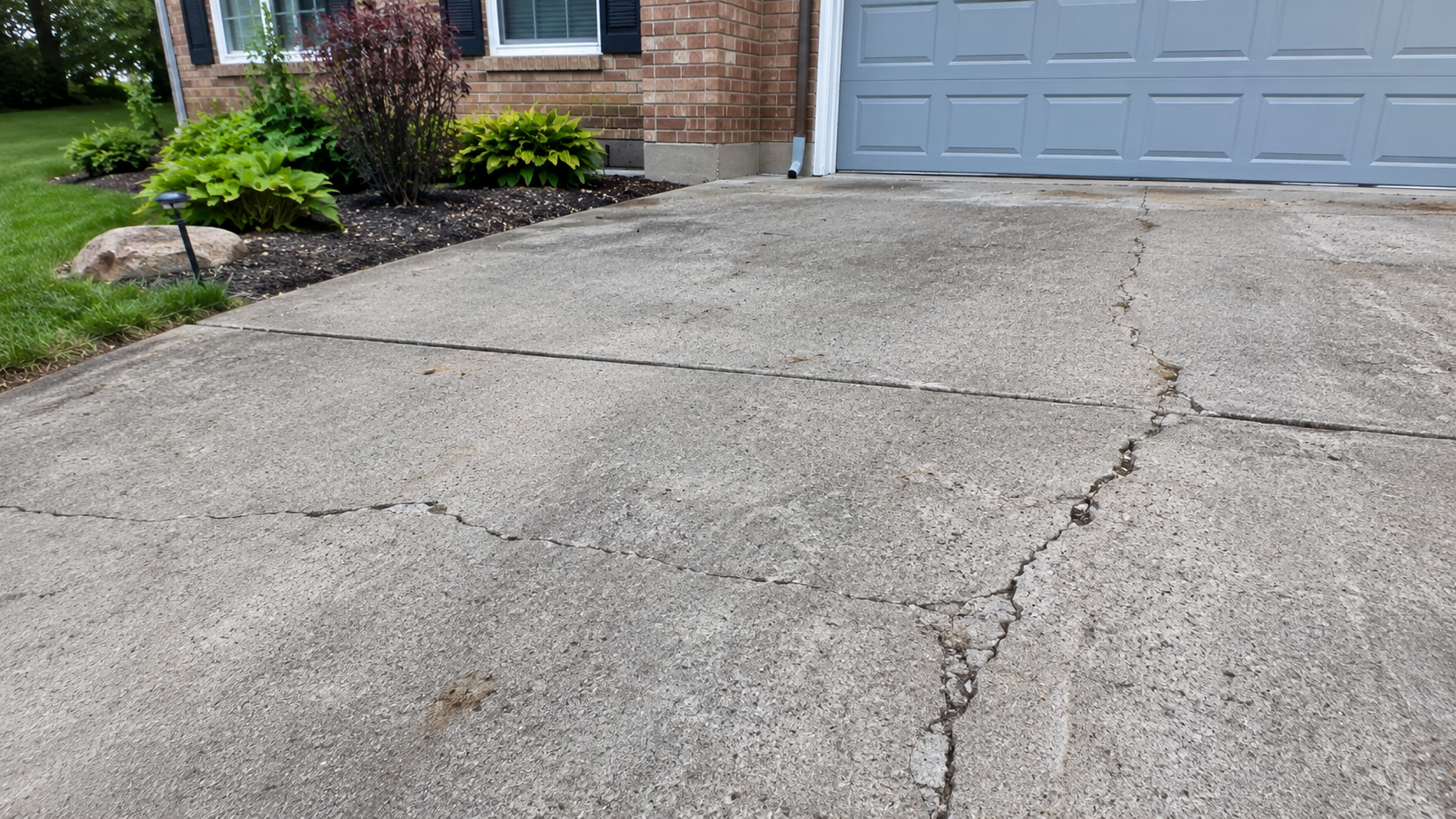
Sometimes, the concrete itself remains in good condition, while the soil underneath has settled or eroded.
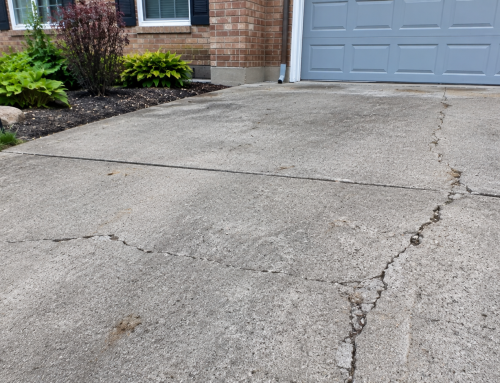
This can cause slabs to sink, tilt, or separate from neighboring sections.
When that happens, replacing the entire surface may be an unnecessary expense.
When New Concrete May Be Necessary
Replacement may be the better option if:
- The concrete is severely cracked or broken into multiple unstable sections.
- Large portions of the surface are crumbling.
- The existing slab has extensive structural deterioration.
- The original installation has major design or support problems that cannot be corrected through leveling.
For a more detailed comparison, read our guide on concrete repair vs. replacement.
When Concrete Leveling May Be the Better Option
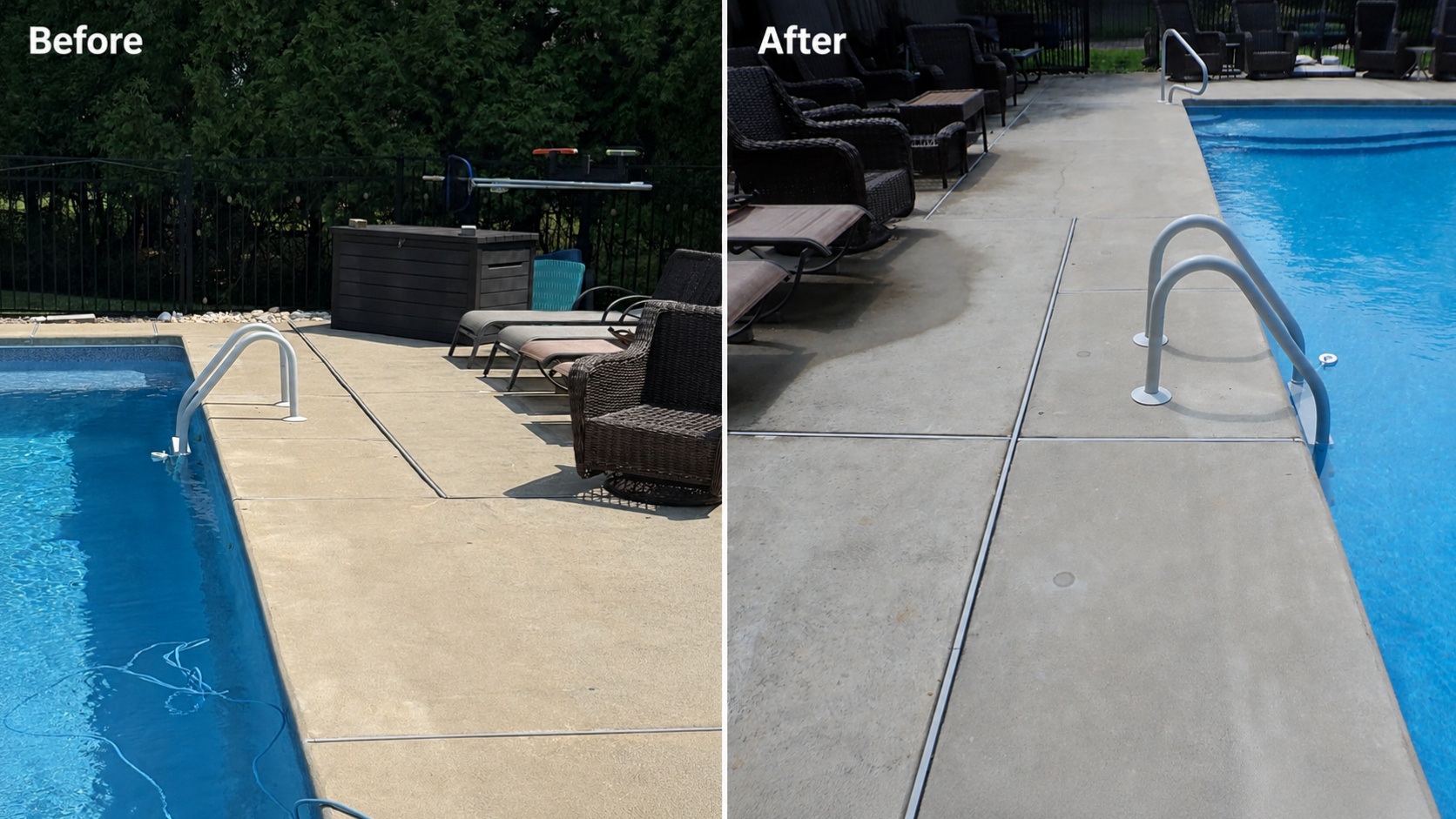
If your concrete is structurally sound but has become uneven or sunken, mudjacking may offer a practical alternative.
At Concrete Chiropractor, we use a cement-based grout mixture to raise suitable settled slabs.
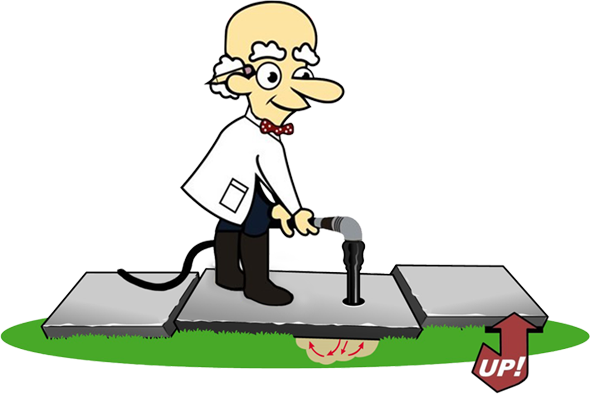
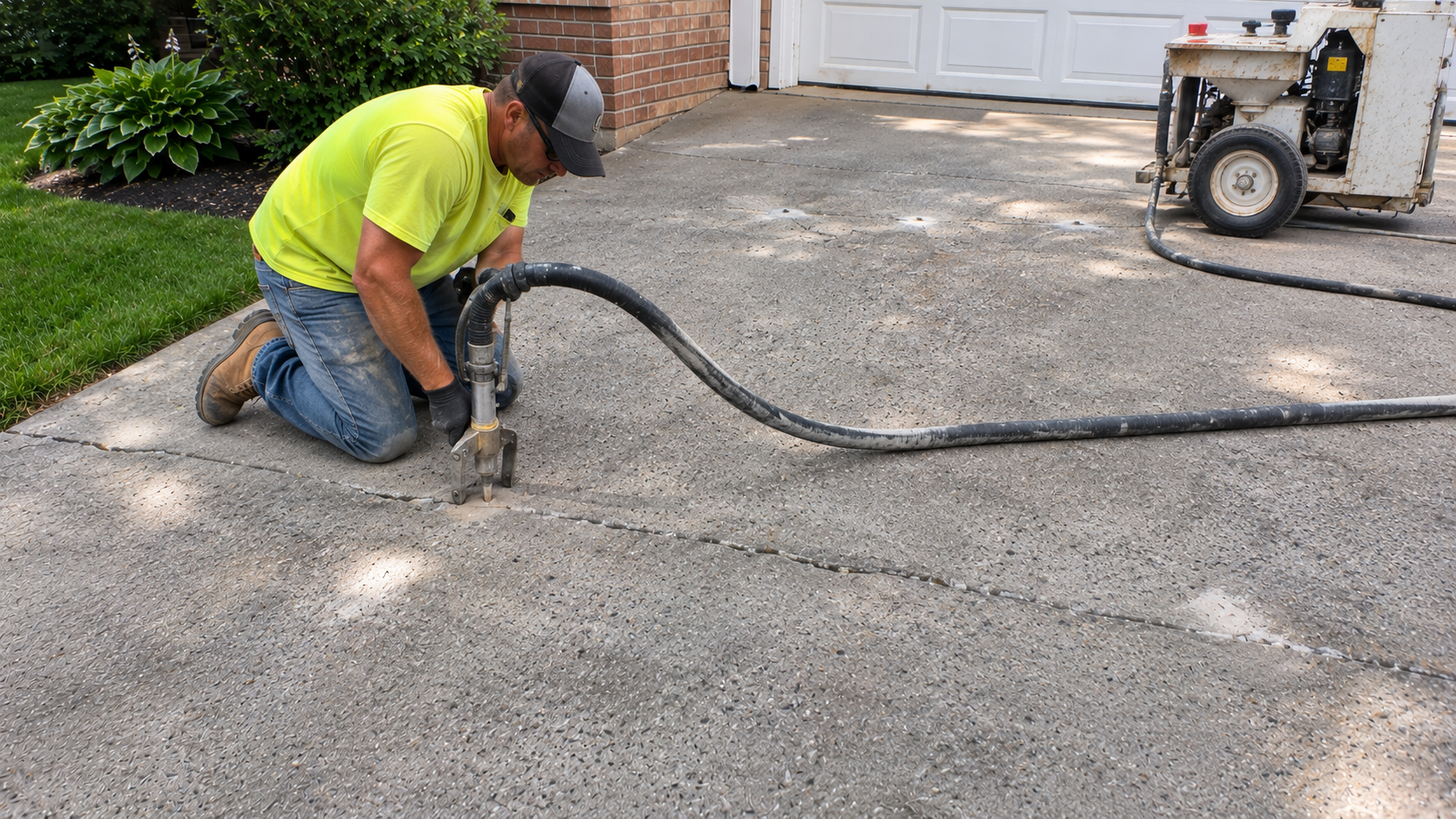
We drill carefully positioned holes into the concrete, inject the grout beneath the slab to fill accessible voids and lift it, and patch the injection holes afterward.
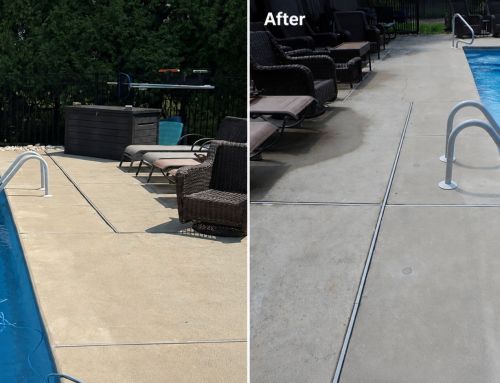
This approach allows us to preserve existing concrete rather than remove and replace it unnecessarily.
Our concrete leveling services are designed to address settlement problems affecting driveways, patios, sidewalks, and other suitable concrete surfaces.
Concrete Repair for Freehold Homeowners
Whether you live in Freehold Borough or Freehold Township, changing weather and drainage conditions can affect your outdoor concrete over time.
You might notice your driveway sinking near the garage, a sidewalk developing an uneven joint, or a patio beginning to slope toward your home.
These problems don’t necessarily mean the concrete was poured during the wrong season. Soil movement, water erosion, and inadequate ground support can also contribute.
We serve homeowners throughout Freehold and surrounding Monmouth County communities, including Howell, Manalapan, Marlboro, and Colts Neck.
Our article on raising sunken driveways and sidewalks in Monmouth County explains how we approach common settlement problems in the area.
If you’re considering replacement because your concrete has sunk, we can help determine whether leveling is a suitable alternative.
Get Your Concrete Evaluated Before Replacing It
The best time to pour concrete in Freehold, NJ, is generally late spring or early fall, when temperatures are mild and curing conditions are easier to manage.
But if your existing concrete has simply become uneven or sunken, you may not need a new pour at all.
At Concrete Chiropractor, we’ve specialized in concrete raising and leveling since 2000. We help homeowners restore suitable settled slabs using traditional mudjacking, without the disruption of unnecessary replacement.
Before you spend money tearing out a driveway, patio, or sidewalk, find out whether your existing concrete can be saved.
Contact Concrete Chiropractor in Freehold, NJ to request a free estimate and explore your concrete leveling options.

- Essential Steps for a Lasting Concrete Driveway Repair - November 5, 2026
- How to Properly Maintain Your Concrete Patio - November 5, 2026
- Best Time of Year to Pour Concrete in Freehold, NJ - November 5, 2026




Get Social