

IN THIS ARTICLE
Clear Signs Your Concrete Driveway Needs Professional Repair
Your concrete driveway handles a lot every day, from the weight of parked vehicles to heavy rain, snow, and changing temperatures. Over time, that wear can start showing up as cracks, uneven sections, sinking slabs, or damaged edges.
But how do you know when your driveway needs professional repair instead of a simple DIY fix?
Not every crack is serious, and not every damaged driveway needs to be replaced. The important thing is knowing which warning signs suggest a bigger problem, especially when the soil underneath the concrete starts shifting or washing away.
At Concrete Chiropractor, we help homeowners across New Jersey and Eastern Pennsylvania restore settled and uneven concrete without unnecessary replacement.
Below are seven signs your concrete driveway needs expert repair, what they could mean, and when it’s time to call a professional.
7 Warning Signs Your Concrete Driveway Needs Professional Repair
1. Cracks Are Getting Wider or Spreading Across Your Driveway
A few hairline cracks don’t necessarily mean your driveway is failing. Concrete can develop small cracks from shrinkage, temperature changes, and ordinary aging.
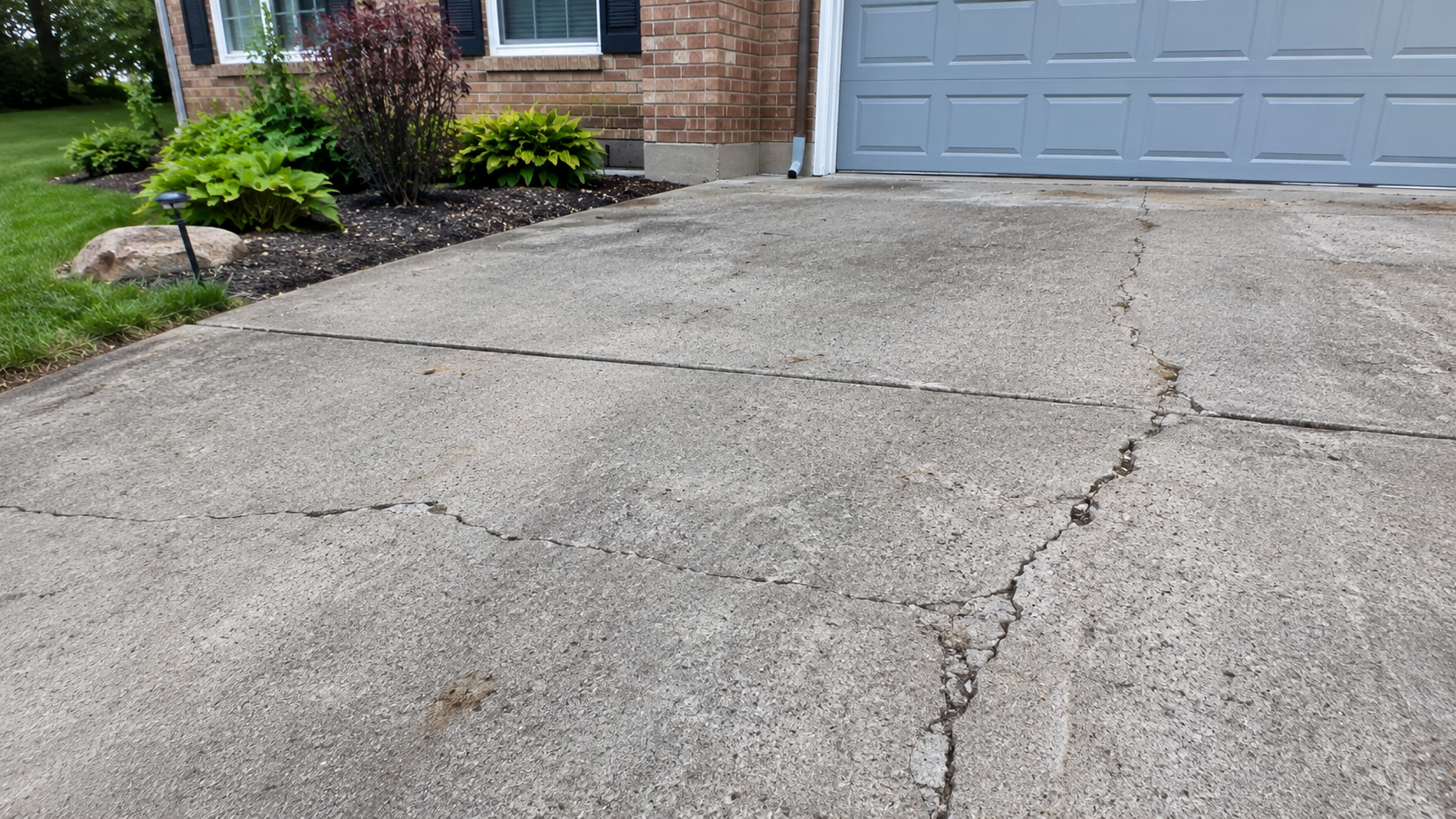
However, you should pay closer attention when those cracks begin widening, connecting, or developing noticeable height differences.
Look for:
- Cracks that continue widening over time.
- Several cracks spreading across the same section.
- One side of a crack sitting higher than the other.
- Cracks appearing around a sinking corner or slab.
- Previous crack repairs that keep opening.
These conditions can indicate movement beneath the driveway, although cracking alone doesn’t confirm a soil problem.
For example, if you notice a crack near your garage and one side of the concrete is gradually dropping, simply filling that opening won’t restore the slab’s original position.
What should you do?
Small, stable cracks may only need sealing to limit water entry. Our guide to concrete driveway crack repair explains how homeowners can handle minor cracks.
But when cracks are accompanied by sinking or uneven concrete, it’s worth having the driveway evaluated before attempting another surface repair.
2. Your Driveway Has Sunken or Uneven Sections
Have you noticed a bump when driving into your garage? Does one section of your driveway appear lower than the surrounding concrete?
Uneven slabs are among the clearest signs that your driveway may need professional attention.
This usually happens when the soil beneath the concrete settles, wasn’t compacted properly during installation, or becomes eroded by water.
As the supporting ground changes, a concrete slab may lose support and settle.
You might notice:
- A visible height difference between neighboring slabs.
- A driveway section sloping toward the house.
- An uneven transition between the driveway and garage.
- A corner dropping lower than the rest of the slab.
Apart from affecting your driveway’s appearance, these differences can create trip hazards and make it difficult to remove snow.
What should you do?
If the concrete remains structurally sound, replacement may not be necessary.
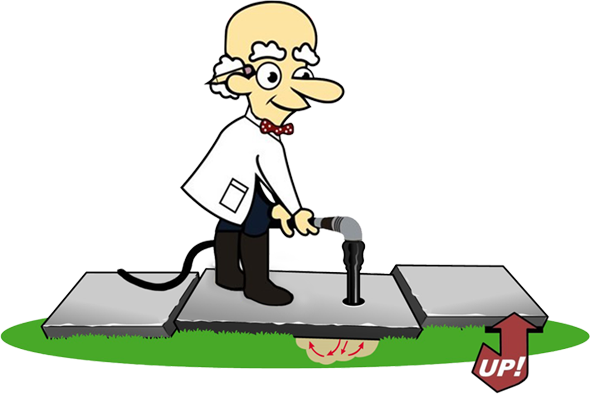
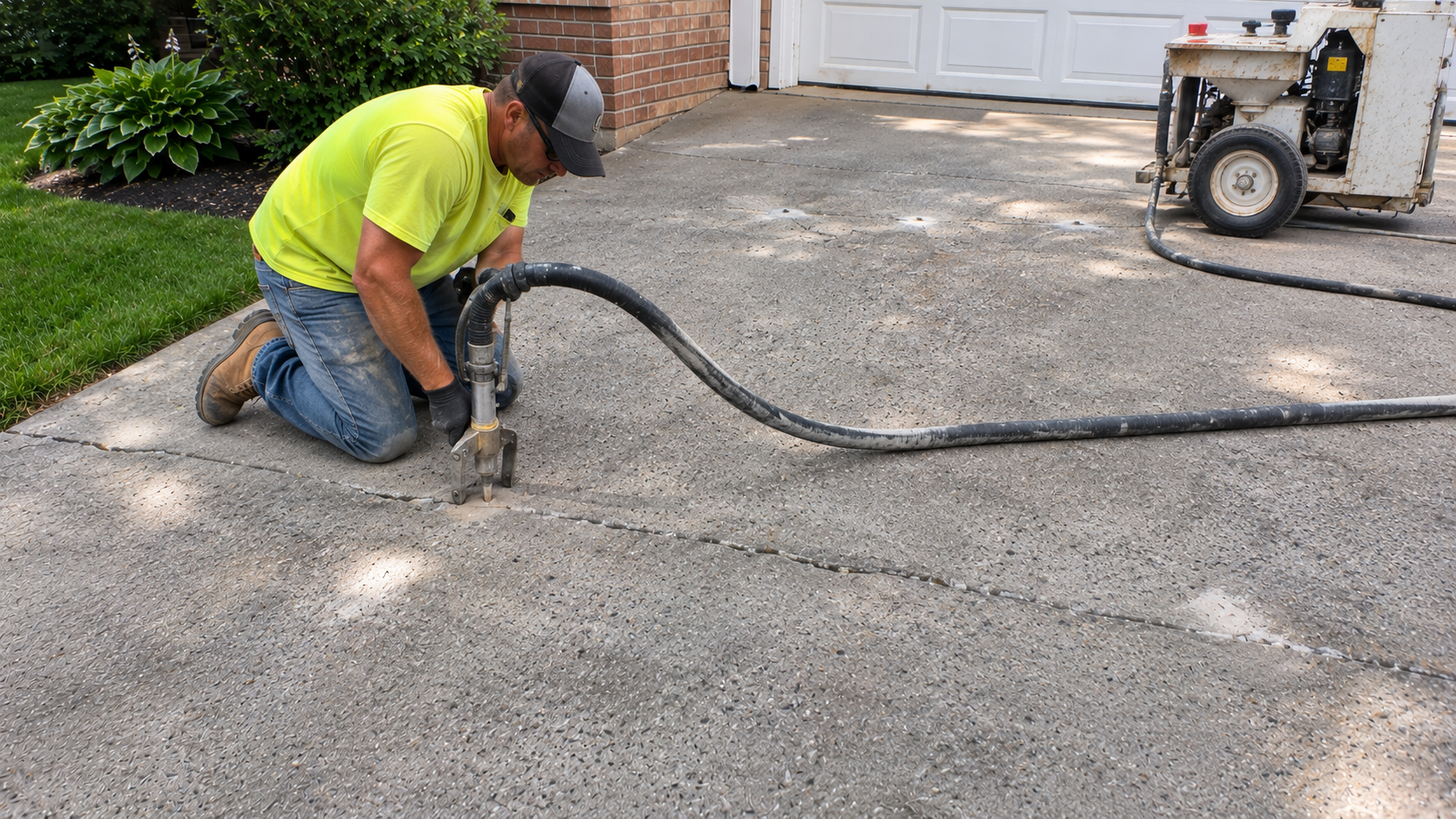
At Concrete Chiropractor, we use mudjacking to raise suitable settled driveway slabs. The process involves injecting cement-based grout beneath the concrete to fill accessible voids and lift the slab toward its intended position.
Learn how our concrete driveway leveling and repair service can help restore uneven driveway sections.
3. Water Keeps Pooling on Your Driveway After Rain
Your driveway should be able to drain water toward an appropriate outlet instead of allowing it to collect in low spots.
If puddles consistently appear in the same locations after rainfall, something may be affecting the driveway’s slope or drainage.
Sometimes, poor drainage results from the way the driveway was originally installed. Other times, it develops after sections of concrete settle.
Standing water becomes particularly concerning when it collects near your garage, foundation, or existing cracks.
Over time, water entering joints and cracks can contribute to erosion of the supporting soil. During winter, freezing water can also worsen existing concrete damage.
What should you do?
Start by observing where the water collects and where it flows during heavy rain.
Check whether a downspout is directing water toward the driveway or whether a sunken section is creating the low spot.
If settlement has changed the driveway’s slope, professional concrete leveling may help restore proper drainage. However, grading or drainage improvements may also be necessary.
4. The Concrete Surface Is Flaking, Chipping, or Crumbling
Does your driveway look rough, with small pieces breaking away from the surface?
This condition is commonly called concrete spalling or scaling.
It can result from several factors, including freeze-thaw exposure, deicing chemicals, poor finishing practices, or inadequate curing during installation.
Minor surface damage may be mostly cosmetic, but deeper deterioration can make the concrete more vulnerable to continued wear.
Pay attention when:
- The surface begins peeling or flaking.
- Small pits develop and grow.
- Aggregate becomes increasingly exposed.
- Concrete edges break away.
- Previously repaired areas continue deteriorating.
What should you do?
Localized surface deterioration may be suitable for patching or resurfacing when the underlying slab is sound.
However, extensive crumbling or deep deterioration may mean the concrete is no longer a good candidate for preservation.
Our article on concrete repair vs. replacement explains the factors that help determine whether damaged concrete is worth repairing.
At Concrete Chiropractor, our mudjacking service focuses on suitable settled concrete. We don’t recommend lifting a driveway when the slab itself is too deteriorated to support a reliable repair.
5. Your Driveway Is Sinking Where It Meets the Garage
The area directly in front of your garage deserves special attention.
Driveway settlement near the garage entrance can create a noticeable drop between the concrete driveway and the garage floor.
You might first notice it when your vehicle bumps against the raised garage entrance or when rainwater begins collecting near the door.
A sinking driveway apron may develop when soil settles or supporting material washes away beneath the slab.
In some cases, the garage floor remains at its original height while the adjoining driveway sinks independently.
What should you do?
Check whether the driveway has dropped below the garage entrance and whether the height difference is increasing.
Avoid covering a significant drop with a temporary patch or ramp without investigating the cause.
If the driveway slab is still in suitable condition, professional mudjacking may restore its elevation and improve the transition into your garage.
6. Gaps Are Appearing Around the Driveway Edges and Joints
Your driveway may be showing signs of trouble even when the main surface looks reasonably intact.
Take a closer look at the joints between slabs and the edges where concrete meets the surrounding soil.
You may find:
- Gaps forming beneath exposed concrete edges.
- Soil washing away after heavy rainfall.
- Joints gradually widening.
- Open spaces between the driveway and adjoining concrete.
- Corners that appear unsupported.
These conditions can be signs of soil loss, settlement, or movement around the driveway.
Not every open joint indicates structural failure. Concrete joints are designed to accommodate some movement, and their sealants can deteriorate over time.
However, visible voids beneath a slab deserve attention because concrete depends on adequate support from the ground below.
What should you do?
If you see soil erosion, investigate where the water is coming from.
When there is significant settlement or a suspected void beneath the slab, professional evaluation can help determine whether grout injection and concrete lifting are appropriate.
7. Your Previous Driveway Repairs Keep Failing
Have you repaired the same crack several times, only to see it reopen?
Perhaps you’ve patched a damaged area, but the concrete continues shifting or new cracks keep appearing nearby.
Repeated repair failure is another warning sign that the underlying cause may not have been addressed.
For example, filling a crack caused by settlement won’t restore lost support beneath the driveway. Similarly, resurfacing unstable concrete won’t necessarily stop the movement that damaged the original surface.
However, failed repairs can also result from unsuitable materials, poor surface preparation, or incorrect application.
What should you do?
Before paying for another repair, find out why the previous one failed.
If the concrete is moving because the soil underneath has settled, stabilizing and leveling the slab may be more useful than continuing to patch the same area.
The goal should be to correct the problem, not simply hide the visible damage for another season.
When Should You Repair or Replace a Concrete Driveway?
After identifying these warning signs, the next question is whether your driveway can be repaired or needs complete replacement.
The answer depends on the condition of the concrete and the underlying cause of damage.
| Driveway condition | Possible solution |
| Small, stable cracks | Crack sealing or filling |
| Minor surface chips | Concrete patching |
| Shallow surface deterioration | Resurfacing, if the slab is sound |
| Sunken but structurally sound slabs | Professional concrete leveling |
| Uneven garage entrance from settlement | Mudjacking, if suitable |
| Extensive cracking and crumbling | Professional assessment for replacement |
| Repeated settlement and drainage issues | Evaluate the soil, drainage, and slab before repair |
One thing we always want homeowners to understand is that a sunken driveway doesn’t automatically need to be demolished.
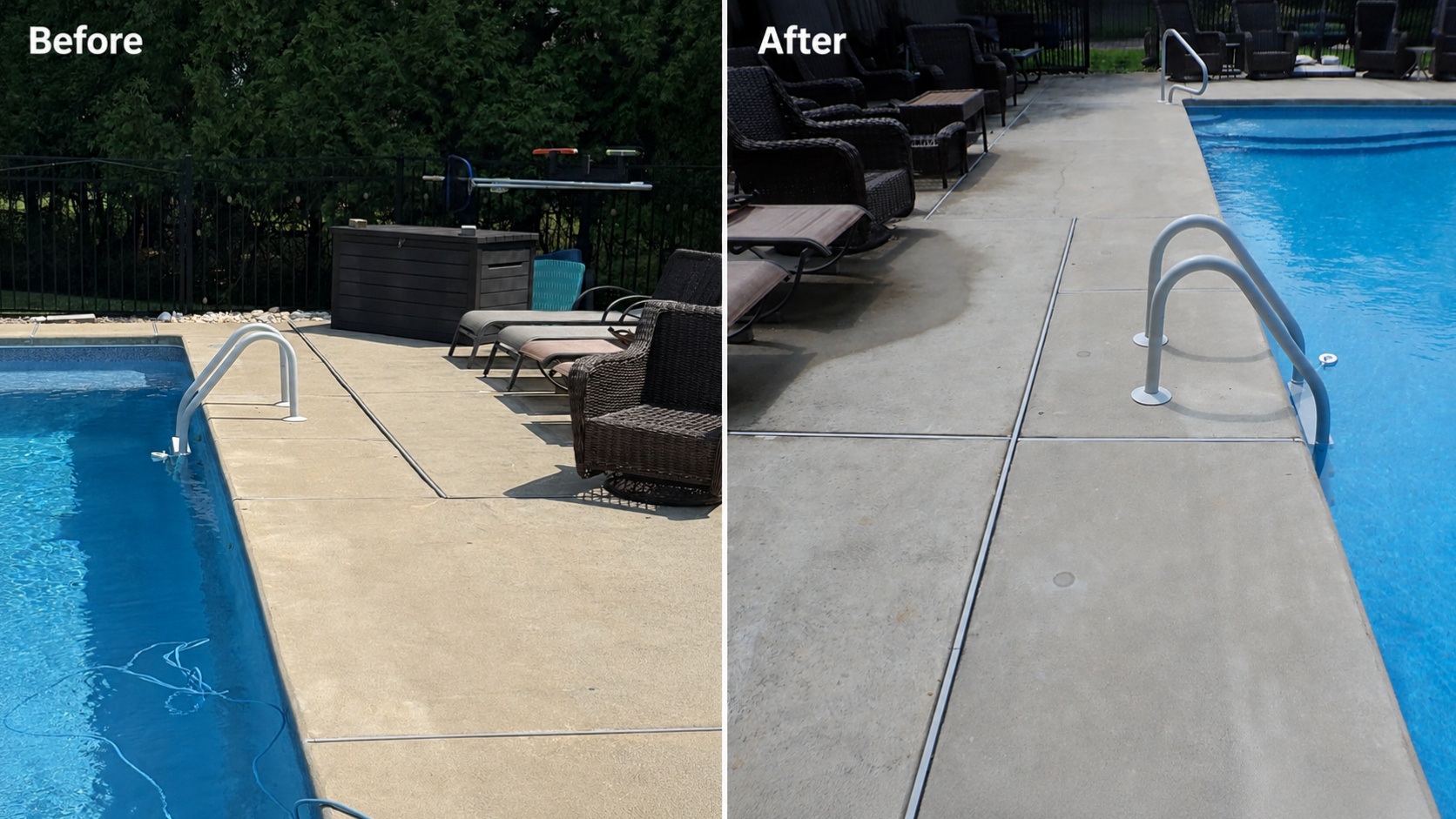
When the concrete remains in suitable condition, mudjacking can often restore its position while avoiding the disruption of tearing out and pouring new concrete.
On the other hand, severely broken or deteriorated slabs may require replacement.
Concrete Driveway Repair in New Jersey and Eastern Pennsylvania
Homeowners across New Jersey and Eastern Pennsylvania deal with driveway problems that can become more noticeable after wet weather and winter.
Repeated freezing and thawing, heavy rainfall, and changing ground conditions can all contribute to concrete deterioration or movement.
For instance, a homeowner in Freehold or Holmdel might notice a driveway section dropping near the garage entrance.
In East Brunswick or Bridgewater, pooling water around a driveway could be the first indication of settlement or inadequate drainage.
Similar problems can affect homeowners in Morristown, South Plainfield, Fair Lawn, and communities throughout Eastern Pennsylvania, including areas around Bucks and Montgomery counties.
These examples aren’t unique to any particular town. The important consideration is how the concrete, supporting soil, and drainage conditions interact at your property.
Why Professional Assessment Matters
You can identify visible cracks and uneven sections yourself, but determining the underlying cause may require professional experience.
At Concrete Chiropractor, we assess the condition of settled concrete to determine whether lifting is a practical solution.
Our mudjacking method uses cement-based grout injected beneath suitable slabs to fill voids and raise the concrete.
We’ve specialized in concrete raising and leveling since 2000, helping homeowners restore their existing surfaces without unnecessary demolition.
If you want to understand the risks of delaying these repairs, read our article on why repairing sinking concrete slabs matters.
What to Do When You Notice Driveway Damage
You don’t need to panic over every small crack. However, it’s worth taking action when your driveway begins showing signs of ongoing movement or deterioration.
Start by checking your driveway after heavy rainfall. Look for changing slab heights, widening cracks, unsupported edges, and water collecting around the garage.
You can also take photos of suspicious areas and compare them over several weeks or months. This makes it easier to identify changes that might otherwise go unnoticed.
For small cosmetic problems, basic maintenance may be enough.
But if your driveway is sinking, creating trip hazards, or developing uneven sections, professional evaluation can help you avoid spending money on repairs that won’t address the cause.
Let Concrete Chiropractor Help Restore Your Driveway
If your driveway has become uneven or started sinking, you may have more options than you think.
At Concrete Chiropractor, we specialize in lifting and leveling suitable settled concrete using traditional mudjacking.
We help homeowners throughout New Jersey and Eastern Pennsylvania restore driveway sections, improve uneven transitions, and preserve concrete that doesn’t need to be replaced.
We’ll assess the condition of your driveway and explain whether our concrete leveling process is appropriate.
Don’t let a sinking driveway become a bigger problem.
Contact Concrete Chiropractor for a free driveway repair estimate and find out whether your existing concrete can be restored without replacement.

- Essential Steps for a Lasting Concrete Driveway Repair - November 5, 2026
- How to Properly Maintain Your Concrete Patio - November 5, 2026
- Best Time of Year to Pour Concrete in Freehold, NJ - November 5, 2026




Get Social